









Introduction
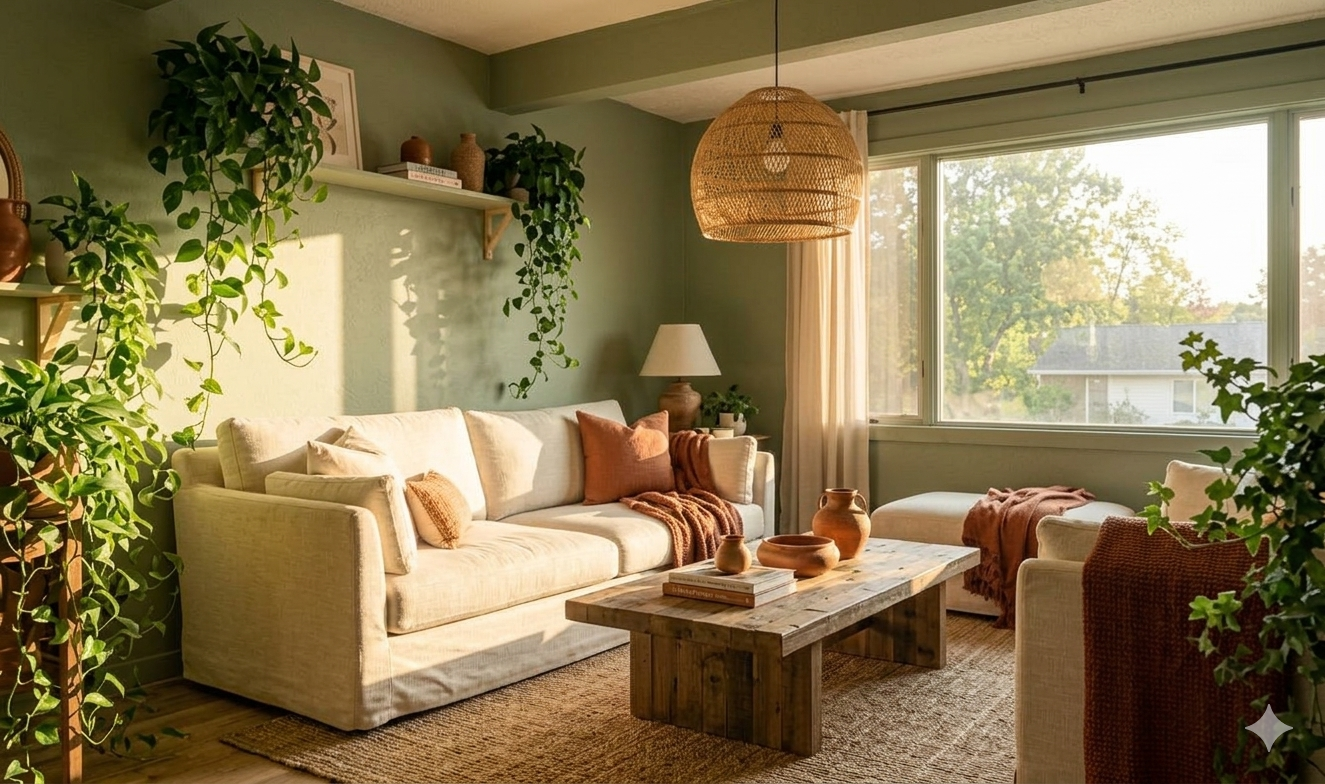
Sage Green Interior Design Trends have become one of the most influential movements in modern home decorating. This soft, muted green color creates a perfect balance between nature and elegance, making spaces feel calm, fresh, and welcoming. Homeowners, interior designers, and property developers are increasingly choosing sage green because it works beautifully with both traditional and contemporary styles. Unlike bold colors that may go out of fashion quickly, sage green offers lasting appeal and versatility.
The popularity of Sage Green Interior Design Trends comes from a growing desire to bring natural elements indoors. People want homes that feel peaceful and connected to nature, especially as busy lifestyles continue to increase stress levels. Sage green provides this connection without overwhelming a room. Whether used on walls, furniture, cabinets, or decorative accessories, this color adds warmth and sophistication. In this comprehensive guide, we will explore why sage green is dominating interior design, how to use it effectively, and the latest ideas that are shaping beautiful homes around the world.
Quick Bio
| Quick Bio | Details |
|---|---|
| Topic | Sage Green Interior Design Trends |
| Category | Home Decor & Interior Design |
| Primary Keyword | sage green interior design trends |
| Color Family | Soft Green with Gray Undertones |
| Design Style | Modern, Scandinavian, Farmhouse, Contemporary |
| Main Benefit | Creates a calm, natural, and relaxing atmosphere |
| Best Rooms | Living Room, Bedroom, Kitchen, Bathroom, Home Office |
| Popular Pairing Colors | White, Beige, Cream, Gray, Navy Blue, Blush Pink |
| Trending Materials | Natural Wood, Stone, Linen, Cotton, Brass |
| Mood Created | Peaceful, Fresh, Elegant, Welcoming |
| Design Trend Type | Biophilic and Nature-Inspired Design |
| Ideal For | Homeowners, Interior Designers, Renovators |
| Future Outlook | Timeless trend with strong long-term popularity |
What Makes Sage Green So Popular in Interior Design?
Sage green is a muted green shade with soft gray undertones. This unique combination creates a relaxing and sophisticated appearance that appeals to a wide range of design preferences. Unlike bright greens that can feel intense, sage green remains gentle and calming, making it suitable for almost every room in a home. The color reflects nature, reminding people of herbs, plants, forests, and outdoor landscapes.
The rise of wellness-focused living has significantly influenced Sage Green Interior Design Trends. Modern homeowners want environments that promote relaxation and mental well-being. Studies have shown that natural colors can reduce stress and create a sense of comfort. Sage green perfectly supports this goal by introducing a peaceful atmosphere without feeling boring or plain. It complements many materials including wood, stone, linen, and metal, making it highly versatile. Designers also appreciate its ability to work as both a neutral and a statement color, allowing endless creative possibilities in residential and commercial spaces.
The Psychology Behind Sage Green Interiors
Color psychology plays an important role in interior design decisions. Sage green is often associated with balance, growth, harmony, and renewal. These qualities make it an excellent choice for creating environments where people feel comfortable and relaxed. When used correctly, sage green can make a room feel more spacious, brighter, and connected to nature.
Many homeowners choose sage green because it promotes emotional stability and calmness. Bedrooms decorated with sage green often feel more restful, while living rooms become more inviting and comfortable. Kitchens benefit from the fresh and clean appearance that sage green provides. The color also encourages creativity and focus, making it suitable for home offices and study areas. As more people work remotely, the demand for calming interior environments continues to grow. This psychological benefit is one reason why Sage Green Interior Design Trends remain strong across different styles, cultures, and age groups.
Sage Green Living Room Design Ideas
The living room is often the heart of a home, making it an ideal place to incorporate sage green. A sage green feature wall can instantly transform the space while maintaining a sophisticated appearance. Homeowners who prefer subtle design can introduce the color through sofas, armchairs, cushions, curtains, or area rugs.
One of the most successful Sage Green Interior Design Trends involves combining sage green with natural wood furniture. Oak coffee tables, walnut shelving, and wooden flooring complement the soft green tone beautifully. Layering textures such as linen, cotton, and woven materials further enhances the organic feel. Designers frequently pair sage green with cream, beige, and white to create a bright and airy atmosphere. Adding indoor plants strengthens the connection to nature and makes the living room feel fresh and vibrant. Whether your style is minimalist, farmhouse, Scandinavian, or modern, sage green can become a stunning centerpiece in the living area.
How Sage Green Is Transforming Modern Kitchens
Kitchen design has experienced a major shift toward softer and more natural color palettes. Sage green kitchen cabinets have become one of the most sought-after design choices in recent years. They provide character and charm while remaining timeless enough to avoid looking outdated. Many homeowners find sage green cabinets more interesting than traditional white kitchens while still maintaining a clean and elegant appearance.
The success of Sage Green Interior Design Trends in kitchens comes from the color’s ability to pair with numerous materials and finishes. Brass hardware adds warmth and luxury, while matte black fixtures create a modern contrast. White marble countertops, subway tile backsplashes, and natural wood accents further enhance the overall design. Open shelving painted in sage green can also create visual interest without overwhelming the space. The result is a kitchen that feels welcoming, stylish, and connected to the natural world. This combination of beauty and practicality explains why sage green continues to dominate modern kitchen renovations.
Creating a Relaxing Bedroom with Sage Green
The bedroom should be a place of rest and comfort, making sage green an ideal color choice. Soft sage green walls create a peaceful environment that encourages relaxation and better sleep. Unlike darker colors that may make a room feel smaller, sage green helps maintain an open and airy atmosphere while adding warmth and personality.
Many designers recommend using layered textiles to maximize the impact of Sage Green Interior Design Trends in bedrooms. Linen bedding, soft blankets, textured cushions, and upholstered headboards can all contribute to a luxurious and inviting space. Pairing sage green with warm neutrals such as ivory, cream, or light gray creates a balanced color palette. Wooden furniture adds natural warmth, while gold accents provide subtle elegance. Even small bedrooms can benefit from sage green because its muted tone reflects light effectively. The overall result is a restful retreat that supports relaxation and emotional well-being.
Sage Green Bathroom Trends for a Spa-Like Feel
Bathrooms are increasingly being designed as personal wellness spaces rather than purely functional rooms. Sage green helps achieve this goal by creating a spa-inspired atmosphere that feels calm and refreshing. Whether applied to walls, tiles, cabinets, or decorative accessories, sage green introduces a sense of tranquility that enhances the bathroom experience.
One of the most exciting Sage Green Interior Design Trends involves combining sage green with natural stone surfaces and wooden vanities. This combination creates an organic and luxurious aesthetic that resembles high-end wellness retreats. White fixtures maintain cleanliness and brightness, while brass or brushed gold hardware adds sophistication. Large mirrors and proper lighting further enhance the calming effect of the color. Even smaller bathrooms can benefit from sage green because the shade creates visual softness without making the room feel cramped. As wellness-focused design continues to grow, sage green bathrooms remain a popular choice among homeowners and designers alike.
Best Color Combinations with Sage Green
A major reason for the success of sage green is its compatibility with many other colors. Designers often use it as a versatile foundation that supports a wide range of decorating styles. Understanding the best color combinations can help homeowners create balanced and visually appealing interiors.
White and sage green create a fresh, clean, and timeless look. Beige and cream add warmth and softness, making spaces feel cozy and welcoming. Gray provides a sophisticated and modern appearance, while blush pink introduces subtle elegance and charm. Navy blue creates dramatic contrast and depth without overpowering the room. Earthy brown tones strengthen the natural connection and work especially well in rustic or farmhouse interiors. These versatile combinations ensure that Sage Green Interior Design Trends can adapt to various design preferences while maintaining a harmonious and attractive appearance.
Sage Green in Sustainable and Eco-Friendly Design
Sustainability has become a major focus in modern interior design. Homeowners are increasingly choosing environmentally responsible materials, furniture, and decorating solutions. Sage green naturally aligns with this movement because it symbolizes nature, growth, and environmental awareness.
Many sustainable interiors incorporate reclaimed wood, organic textiles, energy-efficient lighting, and indoor plants alongside sage green color schemes. These elements work together to create spaces that feel healthy, responsible, and visually appealing. The connection between Sage Green Interior Design Trends and eco-conscious living continues to strengthen as consumers prioritize environmental responsibility. Designers often use sage green to communicate a commitment to sustainability without sacrificing beauty or sophistication. This combination of environmental values and timeless style ensures that sage green remains relevant in future design movements.
Common Mistakes to Avoid When Using Sage Green
Although sage green is highly versatile, certain mistakes can reduce its effectiveness. One common error is using too many green elements throughout a space. While sage green is calming, excessive use can make a room feel monotonous. Balance is essential for maintaining visual interest.
Another mistake is pairing sage green with colors that clash or compete for attention. Overly bright or saturated shades can disrupt the soft and relaxing character of sage green. Poor lighting can also affect how the color appears throughout the day. Testing paint samples before making a final decision is always recommended. Successful Sage Green Interior Design Trends rely on thoughtful color coordination, appropriate lighting, and a balanced mix of textures. By avoiding these common errors, homeowners can create beautiful interiors that feel cohesive, stylish, and welcoming.
The Future of Sage Green Interior Design
Interior design trends constantly evolve, but sage green shows strong signs of long-term staying power. Unlike trendy colors that quickly lose popularity, sage green offers timeless appeal rooted in nature and wellness. As homeowners continue seeking calm, comfortable, and sustainable living environments, sage green is likely to remain a favorite choice for years to come.
Future developments may include deeper variations of sage green, innovative material combinations, and smart home integrations that enhance natural aesthetics. Designers are also experimenting with sage green in unexpected areas such as ceilings, built-in furniture, and architectural details. The continued growth of biophilic design ensures that Sage Green Interior Design Trends will remain highly relevant. Its ability to blend elegance, comfort, and environmental inspiration makes it one of the most enduring colors in contemporary interior design.
Conclusion
Sage green has successfully established itself as one of the most influential colors in modern interior design. Its calming qualities, natural beauty, and remarkable versatility make it suitable for living rooms, kitchens, bedrooms, bathrooms, and beyond. From wellness-focused interiors to sustainable design movements, sage green continues to meet the evolving needs of homeowners around the world.
The lasting success of Sage Green Interior Design Trends comes from their ability to create spaces that feel comfortable, sophisticated, and connected to nature. Whether used as a primary color or a subtle accent, sage green brings balance and elegance to any home. As design preferences continue to evolve, this timeless shade is expected to remain a leading choice for creating beautiful and welcoming interiors.
FAQs
1. Why is sage green so popular in interior design?
Sage green is popular because it creates a calm, natural, and sophisticated atmosphere while working well with many design styles.
2. Does sage green work in small rooms?
Yes. Sage green reflects light effectively and can make smaller spaces feel more open, fresh, and inviting.
3. What colors pair best with sage green?
White, cream, beige, gray, blush pink, navy blue, and natural wood tones all complement sage green beautifully.
4. Is sage green a timeless color?
Yes. Sage green has strong long-term appeal because it is inspired by nature and remains elegant across changing design trends.
5. Can sage green be used in modern interiors?
Absolutely. Sage green works exceptionally well in modern, minimalist, Scandinavian, farmhouse, and contemporary interior designs.
Read More: Ranker Meaning