









Introduction
Richard Attenborough movies continue to inspire audiences because they represent more than simple entertainment. Over a career spanning six decades, Richard Attenborough proved himself as one of Britain’s greatest actors, directors, and filmmakers. His performances ranged from emotionally powerful dramas to thrilling adventures, while his directing skills produced several Academy Award-winning classics. Whether portraying complex historical figures or unforgettable fictional characters, he consistently delivered performances that stood the test of time. His influence extended far beyond acting, helping shape modern cinema through thoughtful storytelling and remarkable attention to detail. This guide explores his most memorable films, directing achievements, career milestones, and the lasting impact he made on the film industry.
Quick Bio: Richard Attenborough
| Category | Details |
|---|---|
| Full Name | Richard Samuel Attenborough |
| Known For | Legendary Actor, Director, Producer |
| Born | August 29, 1923 |
| Birthplace | Cambridge, England |
| Died | August 24, 2014 |
| Age at Death | 90 years |
| Nationality | British |
| Profession | Actor, Film Director, Producer |
| Years Active | 1942–2014 |
| Famous Movies (Actor) | The Great Escape, Jurassic Park, Brighton Rock, 10 Rillington Place, Miracle on 34th Street |
| Famous Movies (Director) | Gandhi, Cry Freedom, Chaplin, Shadowlands, A Bridge Too Far |
| Academy Awards | Best Director and Best Picture for Gandhi (1982) |
| Knighthood | Knighted as Sir Richard Attenborough in 1976 |
| Spouse | Sheila Sim (m. 1945–2014) |
| Children | 3 |
| Legacy | One of Britain’s greatest actors and Academy Award-winning directors |
Who Was Richard Attenborough?
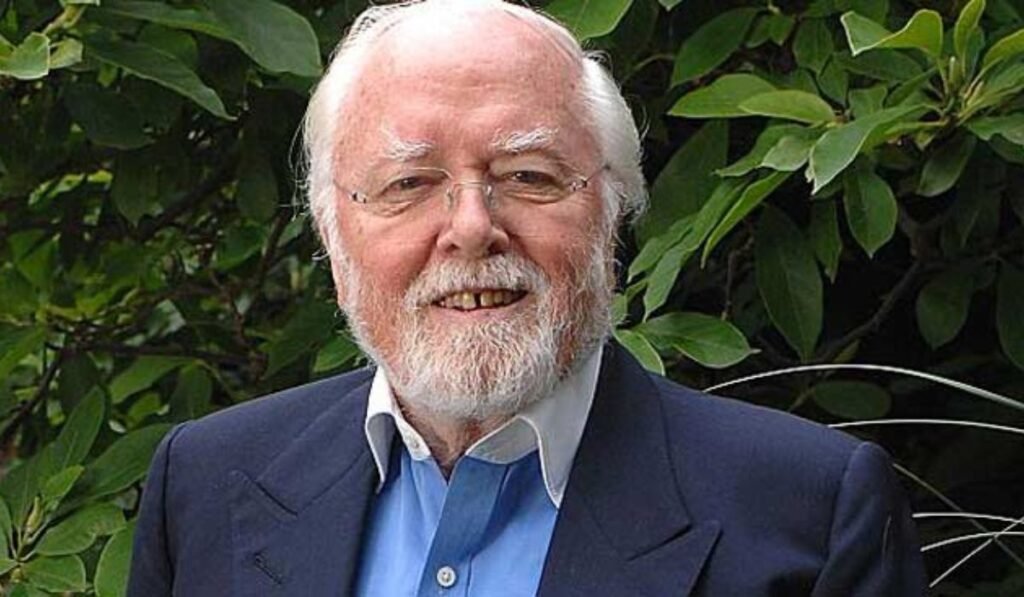
Born on August 29, 1923, in Cambridge, England, Richard Attenborough developed an early passion for performing arts. After studying at the Royal Academy of Dramatic Art (RADA), he began acting during the 1940s and quickly earned recognition for his natural screen presence. Unlike many actors who remain in front of the camera, Attenborough expanded into directing and producing, eventually becoming one of Britain’s most respected filmmakers. Throughout his remarkable career, he earned countless awards and honors for both acting and directing. His dedication to meaningful storytelling, historical accuracy, and emotional depth helped establish him as one of the most influential figures in international cinema.
Richard Attenborough Movies That Launched His Acting Career
The early Richard Attenborough movies introduced audiences to a talented performer capable of portraying both sympathetic and morally complex characters. His breakthrough came with “Brighton Rock” (1948), where he played the ruthless gangster Pinkie Brown. The role shocked audiences because of its intensity and proved that Attenborough possessed extraordinary dramatic abilities. He followed this success with memorable appearances in films like “The Great Escape” (1963) and “Guns at Batasi” (1964), showcasing his remarkable versatility. These performances established him as one of Britain’s leading actors and opened opportunities to work alongside many of Hollywood’s biggest stars during the following decades.
The Great Escape (1963)
Among all Richard Attenborough movies, The Great Escape remains one of the most beloved war films ever made. Directed by John Sturges, the film tells the true story of Allied prisoners planning a massive escape from a German prison camp during World War II. Attenborough portrayed Squadron Leader Roger Bartlett, the determined leader responsible for organizing the daring mission. His performance balanced courage, intelligence, and humanity, making Bartlett one of cinema’s most respected military characters. Surrounded by stars like Steve McQueen, James Garner, and Charles Bronson, Attenborough delivered a commanding performance that significantly contributed to the film’s enduring popularity.
10 Rillington Place (1971)
Another standout among Richard Attenborough movies is 10 Rillington Place, where he portrayed notorious British serial killer John Christie. The role required extraordinary restraint and psychological complexity rather than dramatic outbursts. Attenborough’s chilling performance demonstrated his willingness to take difficult roles that challenged audiences emotionally. Critics praised his ability to portray evil through subtle expressions and quiet dialogue instead of exaggerated behavior. Even decades later, many film historians consider this one of the finest performances of his acting career because it showcased his exceptional range and commitment to realism while telling an unsettling true story.
Jurassic Park (1993)
For younger generations, the most recognizable of all Richard Attenborough movies is undoubtedly Jurassic Park. Directed by Steven Spielberg, the groundbreaking adventure introduced audiences to realistic computer-generated dinosaurs unlike anything previously seen in cinema. Attenborough portrayed John Hammond, the visionary entrepreneur who dreams of creating a dinosaur theme park. Rather than playing Hammond as a villain, he gave the character warmth, optimism, and genuine compassion, making his mistakes deeply human. His heartfelt performance provided emotional balance to the spectacular visual effects and thrilling action sequences, helping the film become one of the highest-grossing movies of its era.
Miracle on 34th Street (1994)
Among later Richard Attenborough movies, Miracle on 34th Street highlighted his ability to bring kindness and warmth to family entertainment. In this remake of the beloved holiday classic, he played Kris Kringle, a department store Santa Claus whose identity becomes the center of an emotional courtroom battle. Attenborough portrayed the character with remarkable sincerity, creating a version that appealed to both children and adults. His gentle performance reminded audiences of hope, generosity, and belief during the holiday season. Even today, many viewers consider his portrayal one of the finest interpretations of the iconic Christmas character.
Other Memorable Richard Attenborough Movies
Although certain films receive greater attention, numerous other Richard Attenborough movies deserve recognition. His performances in Seance on a Wet Afternoon (1964), The Sand Pebbles (1966), Doctor Dolittle (1967), Rosebud (1975), Brannigan (1975), The Human Factor (1979), and Elizabeth (1998) demonstrated his remarkable versatility across drama, adventure, historical epics, suspense, and fantasy. Whether playing military officers, politicians, scientists, or ordinary citizens, Attenborough consistently created believable characters with emotional depth. His ability to adapt to different genres ensured that his acting career remained relevant across multiple generations of filmmakers and audiences.
Richard Attenborough as an Award-Winning Director
While many people celebrate Richard Attenborough movies as an actor, his directing career may have had an even greater influence on cinema. He possessed a unique talent for transforming historical events into emotionally engaging films that educated and inspired audiences worldwide. His directing style emphasized authentic performances, careful research, beautiful cinematography, and meaningful storytelling. Unlike directors focused solely on spectacle, Attenborough believed strong characters should always remain at the heart of every film. This philosophy resulted in several critically acclaimed productions that continue to be studied in film schools and admired by movie lovers around the world.
Gandhi (1982): A Cinematic Masterpiece
Perhaps the greatest achievement connected with Richard Attenborough movies is Gandhi (1982). After spending nearly two decades trying to finance the project, Attenborough finally brought the life of Mahatma Gandhi to the screen. Starring Ben Kingsley, the film explored India’s struggle for independence through remarkable historical storytelling. The movie became an international phenomenon, winning eight Academy Awards, including Best Picture and Best Director for Attenborough. Critics praised its authenticity, emotional depth, and visual grandeur. Today, Gandhi remains one of cinema’s greatest historical epics and represents Attenborough’s lifelong commitment to meaningful filmmaking.
Cry Freedom (1987)
Following the success of Gandhi, Attenborough directed Cry Freedom, another powerful historical drama focusing on South African anti-apartheid activist Steve Biko. The film explored racial injustice, political oppression, and the importance of freedom through compelling storytelling and outstanding performances. Attenborough approached the sensitive subject with honesty and respect, encouraging international audiences to understand the realities of apartheid. His direction balanced emotional storytelling with historical accuracy, making the film both educational and deeply moving. Although controversial in some regions, Cry Freedom earned widespread praise for addressing important global issues through thoughtful cinema.
Chaplin (1992) and Shadowlands (1993)
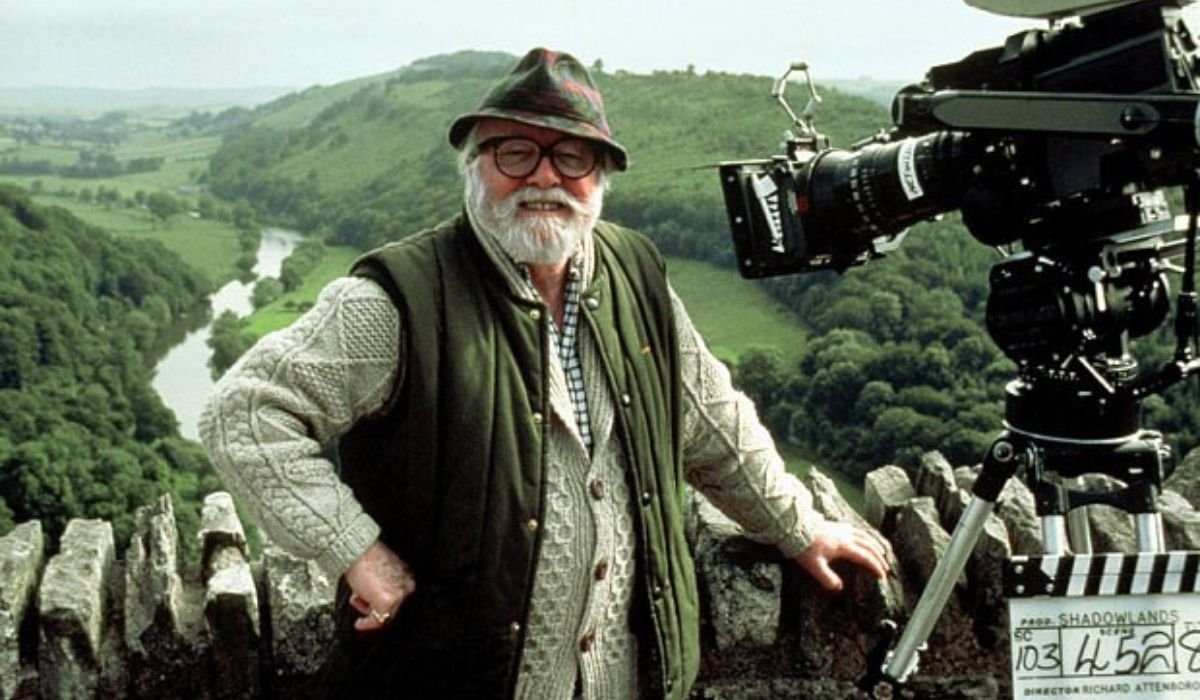
The directing achievements associated with Richard Attenborough movies continued during the early 1990s with Chaplin and Shadowlands. Chaplin, starring Robert Downey Jr., explored the extraordinary life of silent film legend Charlie Chaplin and received multiple award nominations. Shortly afterward, Shadowlands examined the touching relationship between author C. S. Lewis and Joy Davidman, featuring a deeply emotional performance by Anthony Hopkins. Both films demonstrated Attenborough’s ability to direct intimate character-driven stories alongside large historical productions. His focus on authentic emotion allowed audiences to connect deeply with real-life figures whose experiences shaped history and literature.
Awards and Recognition
Throughout his remarkable career, Richard Attenborough received countless honors recognizing his extraordinary contributions to cinema. He won Academy Awards, BAFTA Awards, Golden Globe Awards, and several lifetime achievement honors. In 1976, he was knighted by Queen Elizabeth II, becoming Sir Richard Attenborough. Later, he was elevated to the House of Lords as Baron Attenborough, recognizing not only his artistic achievements but also his public service. These distinctions reflected the enormous respect he earned from fellow filmmakers, actors, critics, and audiences. Few individuals have achieved such remarkable success across acting, directing, producing, and cultural leadership.
Richard Attenborough’s Legacy in Cinema
The legacy of Richard Attenborough movies extends well beyond box office success and award recognition. His films continue to inspire directors, actors, and writers who value emotionally honest storytelling and historical authenticity. Whether portraying unforgettable characters or directing ambitious historical epics, Attenborough consistently prioritized humanity over spectacle. His dedication to excellence influenced generations of filmmakers seeking to balance artistic ambition with broad audience appeal. Even after his passing in 2014, his work remains widely studied, celebrated, and enjoyed by movie lovers worldwide. His career serves as a powerful reminder that great cinema can educate, entertain, and inspire simultaneously.
Why Richard Attenborough Movies Still Matter Today
Modern audiences continue discovering Richard Attenborough movies because their themes remain timeless. His films explore courage, leadership, justice, hope, sacrifice, compassion, and resilience—qualities that resonate across cultures and generations. Advances in technology may have transformed filmmaking, but emotional storytelling remains the foundation of memorable cinema, something Attenborough understood throughout his career. Streaming platforms have introduced many younger viewers to his performances and directing achievements, ensuring his influence continues growing. Whether watching an inspiring historical drama or an exciting adventure film, audiences can still appreciate the craftsmanship, intelligence, and heart that defined every stage of his extraordinary career.
Read More: Cara Ricketts Biography: Complete Life Story, Career & Acting Journey Explained
Conclusion
Richard Attenborough movies represent one of the richest legacies in film history. From unforgettable performances in classics like The Great Escape, 10 Rillington Place, and Jurassic Park to award-winning directing achievements such as Gandhi, Cry Freedom, and Shadowlands, he demonstrated exceptional talent both in front of and behind the camera. His commitment to authentic storytelling, emotional depth, and historical accuracy continues to influence filmmakers worldwide. Decades after many of his greatest works first appeared, they remain essential viewing for anyone interested in outstanding cinema. Richard Attenborough’s remarkable contributions ensure that his legacy will continue inspiring audiences for generations to come.
Frequently Asked Questions (FAQs)
1. What is Richard Attenborough’s most famous movie?
His most famous acting role is John Hammond in Jurassic Park (1993), while his greatest directing achievement is Gandhi (1982).
2. Did Richard Attenborough win an Oscar?
Yes. He won Academy Awards for Best Director and Best Picture for Gandhi at the 55th Academy Awards.
3. Was Richard Attenborough both an actor and director?
Yes. He enjoyed an outstanding career as an actor, director, producer, and filmmaker, achieving success in every role.
4. Which war movie made Richard Attenborough famous?
The Great Escape (1963) is considered one of his most iconic war films and remains a timeless classic.
5. What was Richard Attenborough’s role in Jurassic Park?
He played John Hammond, the visionary founder of Jurassic Park, whose dream of a dinosaur theme park drives the story.
6. When did Richard Attenborough pass away?
He passed away on August 24, 2014, at the age of 90, leaving behind an extraordinary cinematic legacy.
7. Why are Richard Attenborough movies still popular?
His films combine powerful storytelling, memorable performances, historical authenticity, and timeless themes, making them enjoyable for audiences of all generations.