








Introduction
When a scan tool. The phrase may sound technical, but the basic idea is straightforward. It points to when the spark occurs relative to the movement of the number one cylinder. Modern engines use sensors and the engine computer to continuously adjust spark Timing Ddvance for #1 Cylinder.
That timing changes with speed, load, temperature, fuel quality, and engine condition. A live-data item like “Timing Advance for #1 cylinder” is usually a manufacturer-specific value, not a universal fault by itself. It becomes important when the number looks strange, the engine runs badly, or other trouble codes appear with it. Understanding this reading can help you spot early problems, protect the engine, and avoid replacing good parts for no reason.
Quick Bio
| Field | Details |
|---|---|
| Topic | timing ddvance for #1 cylinder |
| Category | Automotive Engine Guide |
| Main Focus | Spark timing and cylinder 1 timing reading |
| Meaning | Shows ignition timing related to the number 1 cylinder |
| Used In | OBD scanner live data and engine diagnosis |
| Common Concern | Rough idle, weak power, or check engine light |
| Main Causes | Sensor issues, misfire, poor fuel, knock, VVT faults |
| Key Parts Involved | Spark plugs, ignition coils, crank sensor, cam sensor, knock sensor |
| Warning Signs | Hard starting, engine knock, hesitation, poor fuel economy |
| First Step | Scan fault codes and inspect live engine data |
| Best Fix Method | Find the root cause before changing parts |
| Reader Benefit | Helps drivers understand timing data in simple words |
What timing advance for #1 cylinder really means
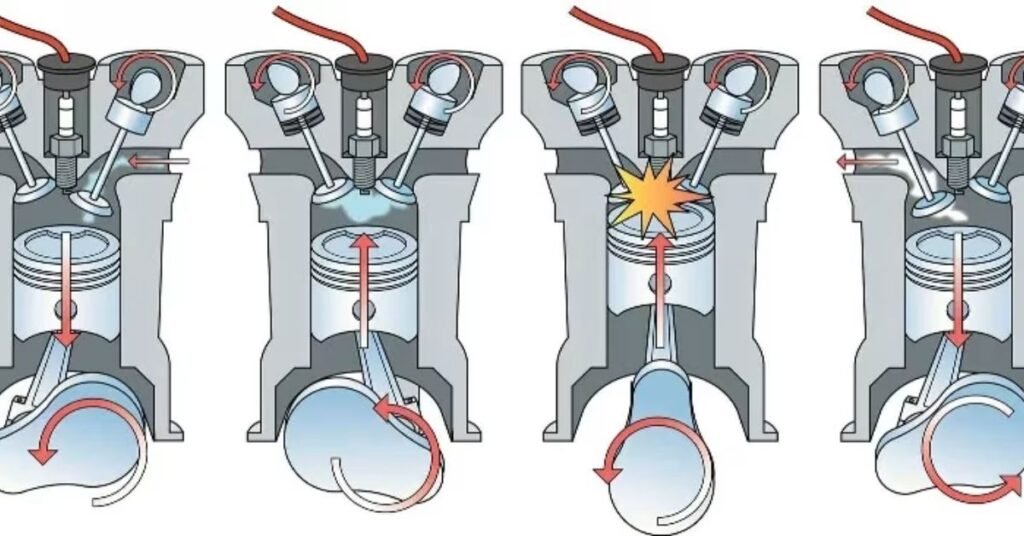
The reading behind the timing advance for #1 cylinder is tied to spark timing. In simple words, spark timing is the moment the spark plug fires compared with the piston’s position near top dead center. Scan-tool guides describe this data point as a timing-related value for the number one cylinder, and engine-control explanations show that the computer uses crankshaft and, sometimes, camshaft sensor signals to decide when ignition should occur.
That is why this single line on a scanner is connected to much bigger engine systems. It is not only about one spark plug. It can reflect the work of the crank sensor, cam sensor, ignition control, fuel quality response, knock control, and even variable valve timing behavior. So this reading matters most when you study it together with drivability symptoms and other live data, not when you judge it alone.
Why does the number change while you drive
A lot of people think spark timing should stay fixed, but that is not how modern engines work. The timing advance for #1 cylinder can vary at idle, during gentle cruising, and under hard acceleration because the engine computer is always seeking the safest and most efficient spark point. If the engine hears a knock, it may pull timing back.
If conditions are smooth and the fuel burns well, it may allow more advance. If a sensor signal becomes weak or confusing, timing can also shift in a way that hurts performance. The crankshaft sensor is especially important because it tells the powertrain computer where the engine is in its rotation and helps it adjust ignition timing as needed. That is why changing numbers are normal in many cases, but unstable numbers, along with rough running, pinging, or poor power, deserve attention.
When timing the ddvance for #1 cylinder becomes a warning sign
By itself, the timing advance for #1 cylinder is not a clear failure code. It becomes a warning sign when the car also shows symptoms. Common signs include rough idle, weak acceleration, hard starting, stalling, poor fuel economy, or a check-engine light.
A faulty crankshaft sensor can cause misfires, shaking at idle, poor starting, weak response, and higher fuel use because the engine computer loses clean position information. A bad knock sensor can also reduce power and acceleration because the computer may protect the engine by changing timing. Ignition problems, such as weak coils, can cause misfires and backfiring, which can make timing data look suspicious even when the root cause is elsewhere. So the real lesson is this: the scanner number matters more when the engine is telling the same story through sound, feel, and fault codes.
The role of the knock sensor in spark timing
One of the most important parts behind the timing advance for #1 cylinder is the knock sensor. This sensor listens for unusual combustion vibrations, often called knock or pinging. When it detects trouble, it sends a signal to the engine computer so timing and fueling can be adjusted to protect the engine. That is a big reason timing values may change from one moment to the next.
If the knock sensor or its wiring is faulty, the engine may lose performance, fuel economy may drop, and knocking may increase because the computer cannot react correctly. In some cases, the computer becomes more cautious and reduces power to prevent damage. This is why timing problems are not always caused by a bad spark plug or a slipped timing chain. Sometimes the engine is reacting to what it believes is dangerous combustion, and the knock-control system is at the center of that decision.
Fuel quality and carbon buildup can affect the reading.
Fuel and deposits can alter combustion enough to make the timing advance for the #1 cylinder appear odd during diagnosis. Spark-plug experts note that over-advanced ignition timing, low-octane fuel, lean mixtures, and combustion-chamber deposits can contribute to overheating and pre-ignition. Carbon buildup can also bring loss of power, poor acceleration, stalling, rough running, and misfires.
This matters because a bad reading on the scanner is not always caused by a bad sensor. Sometimes the engine is fighting poor combustion conditions created by dirty intake paths, deposits, or fuel that does not suit the engine’s needs. In real-world cases, valve adjustment or mechanical service has corrected abnormal timing readings toward more normal values. That shows how airflow and engine breathing can influence what the scan tool reports. Clean combustion and steady airflow help the engine control module make cleaner timing decisions.
Can variable valve timing cause confusion?
Yes, it can. Many drivers see timing advance for #1 cylinder and assume it only means spark timing, but real engine behavior can be shaped by cam timing too. Manufacturer diagnostic documents show that variable valve timing faults such as P0010 and P0011 involve actuator or performance problems in the intake cam system, while correlation codes such as P0016 and P0017 can point to timing misalignment between the crankshaft and camshaft systems. When cam timing is off, combustion quality changes, power delivery changes, and scan data may start to look strange.
That does not mean the live-data line is lying. It means the engine is reacting to a deeper timing issue somewhere else in the system. So if the car has a rough idle, poor pull, or cam-related codes, do not focus solely on spark timing. Look at cam data, correlation codes, and mechanical timing health too.
Misfires and ignition parts are often part of the story.
A shaky engine can make anyone focus on timing advance for #1 cylinder, but the real fault may be a misfire. Ignition coils, spark plugs, wiring, injectors, and even fuel delivery problems can make one cylinder burn poorly. Delphi notes that weak ignition coils can cause backfiring, stalling, misfires, and hard starting. Fuel-system diagnostic guidance also ties misfires, low power, reduced fuel efficiency, trouble starting, and unusual noises to injection-related problems.
When cylinder one misfires, the scan tool may show strange or unstable timing behavior simply because the engine is no longer burning fuel evenly. That is why smart diagnosis starts with the basics. Check for trouble codes, inspect plugs and coils, study fuel trims, and look for vacuum leaks or injector trouble. A timing value is useful, but it should not be allowed to distract you from classic combustion faults that are much more common.
How to diagnose timing delay for #1 cylinder, the smart way
The best way to diagnose timing advance for #1 cylinder is to treat it like one clue, not the final answer. Start by scanning for stored and pending trouble codes. Then watch live data at idle, light throttle, and gentle acceleration. Compare timing behavior with fuel trims, misfire counts, intake readings, and knock-related activity if your tool supports it. Listen for pinging, feel for hesitation, and note whether the engine struggles more when cold or hot.
Next, inspect the basics. Look at spark plugs, ignition coils, vacuum lines, and wiring to the crank and knock sensors. If the engine has variable valve timing, cam timing data and related codes deserve close attention. If fuel quality is questionable or deposits are likely, address those issues as well. A good diagnosis is like reading a whole chapter, not one sentence from the page.
What repairs may solve the problem?
There is no single repair for the timing advance on #1 cylinder, as the reading can be influenced by several systems. One car may need spark plugs or a coil. Another may need a crankshaft sensor. A third may need a knock sensor, wiring repair, injector work, intake cleaning, valve adjustment, or variable valve timing service. In some engines, poor maintenance allows deposits to build and breathing problems to develop, which then disturb combustion and timing control. In others, a sensor gives weak signals, and the engine computer starts making poor decisions.
The repair path should always match the evidence. Replacing random parts wastes money and often leaves the real cause untouched. A proper fix comes from pairing the scan data with symptoms and fault codes, along with a hands-on inspection. When the root problem is corrected, the timing reading usually settles down.
Why drivers should not ignore it for too long
Ignoring the timing advance for #1 cylinder can be risky when the engine is already running rough or knocking. Spark-plug guidance warns that over-advanced timing and poor combustion conditions can contribute to overheating and pre-ignition, which are serious for engine health. Knock-sensor guidance also explains that without proper knock detection and correction, the engine can suffer worse performance and possible damage.
Even if the car still moves, delayed repairs can lead to more misfires, worse fuel economy, catalytic-converter stress, and harder starting. The earlier you investigate, the more likely you are to catch a smaller issue before it grows into a larger one. That is especially true if the check-engine light is on, the idle feels uneven, or you hear pinging under load. Small clues often protect engines from big repair bills later.
Final thoughts on timing ddvance for #1 cylinder
The phrase timing ddvance for #1 cylinder may look confusing, but the idea behind it is clear once you break it down. It is a live-data indicator of ignition timing behavior around the number one cylinder and is shaped by sensor inputs, combustion quality, engine load, knock control, and, sometimes, cam timing. The reading alone does not prove failure.
What matters is the full picture: how the engine sounds, how it drives, what codes are present, and what other data says. If the vehicle is smooth and strong, the number may simply be doing its job. If the engine knocks, shakes, stalls, or loses power, then the reading becomes a useful lead in diagnosis. In plain terms, treat it like a warning light on a map. It may not be the destination, but it often points you toward the real problem.
FAQs
What does timing advance for #1 cylinder mean on a scan tool?
It usually refers to a manufacturer-specific live-data value for the ignition timing of cylinder one. It is not always a fault by itself. It becomes more important when the engine has symptoms or stored trouble codes.
Is the timing advance for #1 cylinder the same as a bad spark plug?
No. A bad spark plug can be one cause of rough running or misfire, but timing data can also be influenced by crankshaft sensors, knock sensors, fuel problems, deposits, ignition coils, and variable valve timing issues.
Can low-quality fuel affect the timing advance for #1 cylinder?
Yes. Low-octane fuel, lean combustion, and deposits can contribute to knock, overheating, or pre-ignition, which can change how the engine computer manages timing.
Should I keep driving if the timing advance for #1 cylinder looks wrong?
If the engine runs normally, there may be no urgent danger. But if you also have rough idle, power loss, knocking, misfires, or a check-engine light, it is smart to diagnose the issue promptly to avoid more serious damage.
What is the first thing to check when timing the ddvance for #1 cylinder seems abnormal?
Start with a full scan for trouble codes and live data. Then inspect spark plugs, coils, crank and knock sensor signals, fuel trims, and any cam-timing related codes. The goal is to find the root cause, not guess based on a single number.
If you want, I can also give you the SEO title, slug, meta description, and search tags for this article.
Write like a real human, not as AI. Note, don’t use dashes, use grade 6 to 7 English with short sentences, natural pauses, and be easily understandable. Avoid generic or corporate rate wording.
Thought for a couple of seconds
timing advance for #1 cylinder
When you see timing advance for #1 cylinder on a scan tool, it can feel scary at first. The words look hard. The good news is that the idea is not too hard to understand. This reading is about the moment the spark happens in the number one cylinder. That spark has to happen at the right time. If it happens too early or too late, the engine may not run well. Modern cars keep changing spark timing as you drive. They do this to help the engine stay smooth, strong, and safe. So this reading is not always a sign of a broken part. Still, if the number looks strange and the car feels rough, it is a clue worth checking. Learning what it means can save time, money, and stress.
What timing advance for #1 cylinder means
The phrase “timing advance for #1 cylinder” refers to spark timing for the first cylinder in the engine. Spark timing means the exact moment the spark plug fires as the piston moves. That moment matters a lot. A small change can affect power, fuel use, and engine smoothness. In older engines, timing was more fixed. In modern engines, the computer changes it all the time. It looks at engine speed, load, heat, and fuel quality. Then it decides the best time for the spark. That is why this reading can fluctuate while the engine runs. The number is part of a bigger story. It is not just about one cylinder. It also connects to sensors, fuel burn, engine load, and the computer’s timing choices.
Why does this reading change during driving
Many people think engine timing should stay the same. That is not true in modern cars. The timing advance for the #1 cylinder can change every few seconds. At idle, the number may look one way. When you speed up, it may shift. When you climb a hill, it may change again. This happens because the engine computer is always trying to find the best spark point. It wants enough power without causing knock or engine stress. If the engine is under light load, it may allow more advance. If the engine senses danger, it may pull timing back. So movement in the reading is often normal. What matters is how the engine feels along with that reading. A changing number alone is not always a problem.
When timing the DDCVance for #1 cylinder, it may point to trouble
This reading becomes more important when the car has clear symptoms. If the engine shakes, stalls, knocks, or feels weak, timing advance on the #1 cylinder may be a useful clue. Hard starting is another warning sign. So is poor fuel economy. A check engine light also makes the reading more important. The truth is simple. A bad timing value often does not come alone. It usually shows up with other signs. The car may idle roughly. It may hesitate when you press the gas. It may lose power on the road. That is why a smart mechanic does not look at only one line on the scanner. They look at the whole picture. The reading matters most when it matches what the engine is already telling you.
The job of the number one cylinder
Some people ask why the scan tool talks about cylinder one instead of the whole engine. The answer is that cylinder one is often used as a reference point. So, the timing advance for #1 cylinder may be shown because the system tracks timing from that main point. The number one cylinder is important in engine timing because many tests and sensor readings start there. It helps the engine computer determine the firing order of components. That does not always mean only cylinder one has a problem. The issue may affect the whole engine. The scan tool just uses that cylinder to report the value. This is why you should not rush to replace only the number one spark plug or injector without checking the rest of the system too.
How sensors affect spark timing
Spark timing depends on good sensor signals. If a sensor provides incorrect information, the computer can make poor timing decisions. This is one reason timing delay for #1 cylinder may look wrong on live data. The crankshaft sensor is a key part of this system. It tells the computer where the engine is in its rotation. The camshaft sensor also helps by showing valve and piston position. Then there is the knock sensor. It listens for harmful engine knock. If it hears trouble, the computer may change the timing to protect the engine. When one of these parts fails, the engine may feel weak, shaky, or slow to respond. So the reading on the scanner is often due to deeper sensor issues. Good data helps the computer make smart timing decisions.
Fuel quality can change engine timing.
Fuel does more than make the car move. It also changes how the engine burns air and gasoline. That is why the timing advance for #1 cylinder can be affected by bad fuel or the wrong octane. If fuel burns unevenly, the engine may knock. When that happens, the computer may change spark timing to protect the engine. This can make the timing reading look different than usual. Dirty fuel systems can also make things worse. Carbon buildup inside the engine can change how combustion happens. The engine may run hotter or less smoothly. Then the computer reacts by changing timing. So, a strange timing reading is not always caused by an electrical failure. Sometimes the real issue is poor fuel, engine deposits, or weak cylinder combustion.
Misfires can make the reading look strange.
A misfire can confuse the whole picture. When one cylinder does not burn fuel properly, the engine shakes and loses balance. That can make timing DDAVANCE for #1 cylinder look unstable or odd. But the timing number may not be the root problem. The real issue may be a worn spark plug, a weak ignition coil, a dirty injector, or even a vacuum leak. Misfires can also cause poor acceleration, a rough idle, and poor fuel economy. This is why basic checks still matter. Sometimes people see a strange timing reading and jump straight to sensor replacement. That can waste money. It is smarter to inspect the spark plugs, coils, and fuel delivery first. A weak ignition part can create symptoms that make timing data seem worse than it really is.
Variable valve timing can add more confusion.
Modern engines are smart, but that also makes them more complex. Some engines use variable valve timing, often called VVT. This system changes when the valves open and close. When VVT is not working right, the engine may run rough, and timing readings may seem off. So timing advance for #1 cylinder can sometimes be part of a larger timing issue, not just spark timing alone. If cam timing is out of place, the engine may lose power, idle poorly, or set fault codes. In that case, the live data reading is only one clue. The real fix may involve the cam timing system, oil flow, or a faulty actuator. This is why good diagnosis matters so much. Engines today are like teams. When one part fails, the whole team can look confused.
How to check the problem the smart way
The best way to check the timing advance for #1 cylinder is to stay calm and work step by step. First, scan for trouble codes. Codes can show if the issue is tied to sensors, misfires, or cam timing. Next, watch live data while the engine idles and while you gently rev it. Listen to the engine too. Does it knock? Does it shake? Does it sound weak? After that, inspect the simple parts. Check the spark plugs. Look at the ignition coils. Check the wiring to the crank and knock sensors. Think about the fuel, too. Ask whether the gas is old, of poor quality, or not suitable for the engine. A smart check is like solving a puzzle. You do not guess from one piece. You look at all the pieces until the full picture starts to make sense.
Common repairs that may solve it
There is no single repair for the timing advance on #1 cylinder, as many factors can affect it. In one car, new spark plugs may solve the problem. In another case, the fix may be a bad ignition coil. Some engines may need a crankshaft sensor or knock sensor. Others may need fuel system cleaning or VVT repair. That is why a proper test matters more than random part changing. Too many people replace parts one by one and hope for the best. That gets expensive fast. A better path is to match the repair to the signs. If the engine misfires, focus on ignition and fuel first. If there are timing codes, check the sensors and cam timing system. A good repair follows the facts. When the real cause is fixed, the timing reading often returns to normal on its own.
Why you should not ignore it
It is easy to ignore a strange scan reading if the car still runs. But that can be risky. If the timing advance for #1 cylinder is linked to knocking, misfires, or rough running, waiting too long can make things worse. A small issue can grow into a bigger one. Poor combustion can hurt fuel economy. Ongoing misfires can stress the catalytic converter. Knocking can put extra strain on engine parts. Hard starting can turn into no starting at all. The earlier you check the problem, the better your chance of keeping the repair simple. This does not mean every strange reading is an emergency. It just means you should pay attention. A car often gives small warnings before a large failure. Catching those warnings early is one of the smartest things a driver can do.
Conclusion
The phrase timing ddvance for #1 cylinder may look confusing, but the meaning becomes clear once you break it into simple parts. It is a live engine reading the spark timing on the first cylinder. That reading changes because modern engines continuously adjust timing as they run. Sometimes that is normal. Sometimes it points to a real problem. The key is to look at the whole story. Does the engine shake? Does it knock? Is it losing power? Are there fault codes, too? These clues matter more than one number alone. In many cases, the real problem lies with sensors, fuel, ignition components, or cam timing. So do not panic when you see this reading. Use it as a clue. With the right checks, you can find the real cause and fix the problem the smart way.
FAQs
What does timing advance for #1 cylinder mean?
It usually means a scan tool is showing spark-timing data for the first cylinder. It is a live reading, not always a fault by itself. It becomes more useful when the engine also has symptoms.
Is the timing advance for #1 cylinder always bad?
No. The number can change during normal driving. Modern engines adjust timing continuously. It may only be a concern if the engine runs badly or fault codes are present.
Can bad fuel affect the timing advance for #1 cylinder?
Yes. Poor fuel or low octane can cause knock or rough combustion. The engine computer may react by changing spark timing, which can affect the reading.
Can a misfire cause timing delay for #1 cylinder to look wrong
Yes. A misfire can make the engine shake and run unevenly. That can make the timing data look strange even if the root problem is a spark plug, coil, or injector.
What should I check first?
Start with a scan for trouble codes. Then inspect spark plugs, coils, sensor wiring, and fuel quality. Inspect the engine thoroughly before replacing parts.