









Introduction
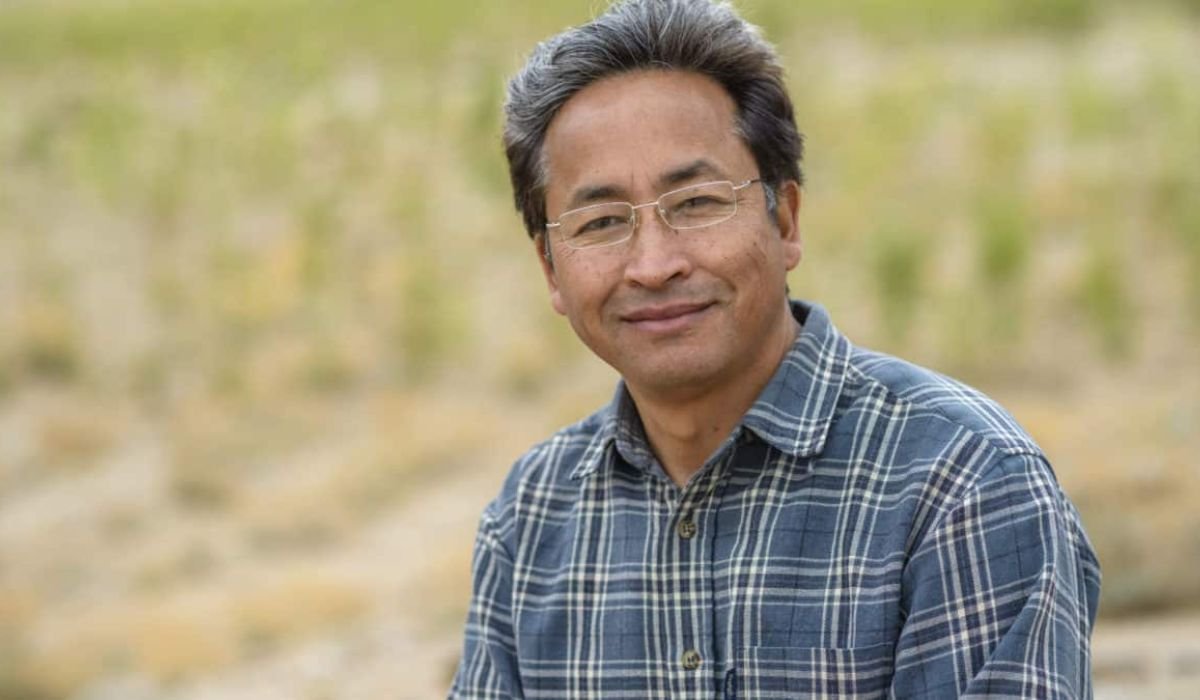
Sonam Wangchuk is more than a famous engineer from the Himalayas. He has become a global voice for education, climate action, and peaceful public movements. His journey from a remote village in Ladakh to international recognition proves that one determined person can inspire meaningful change. Today, many people know him for his work in Education reform in India, while others admire his creative environmental projects and his peaceful campaigns for social justice.
In recent years, Sonam Wangchuk has gained worldwide attention because of his 26-day fast demanding improvements in India’s education system and fair opportunities for students. At the same time, his inventions, including the famous Ice Stupa project, continue to attract researchers, educators, and environmental experts. This article explores his life, work, achievements, and influence while providing a complete and easy-to-understand guide for readers in the United States and around the world.
Sonam Wangchuk at a Glance
| Information | Details |
|---|---|
| Full Name | Sonam Wangchuk |
| Date of Birth | September 1, 1966 |
| Age | 59 (as of 2026) |
| Birthplace | Uleytokpo, Ladakh, India |
| Nationality | Indian |
| Profession | Engineer, Innovator, Education Reformer, Environmental Activist |
| Education | Mechanical Engineering, National Institute of Technology Srinagar |
| Organization | SECMOL, HIAL |
| Known For | Education reforms, Ice Stupas, Climate Innovation, Peaceful Activism |
| Wife | Gitanjali J. Angmo |
| Awards | Ramon Magsaysay Award, Rolex Award for Enterprise |
Who Is Sonam Wangchuk?
Sonam Wangchuk is a respected Indian activist, inventor, and education reformer who transformed learning opportunities in one of India’s most remote mountain regions. His Sonam Wangchuk biography reflects a lifetime of solving practical problems instead of simply discussing them. As a Sonam Wangchuk engineer, he combined scientific thinking with local knowledge to improve schools, conserve water, and create sustainable solutions for communities living in harsh Himalayan conditions. His work has made Sonam Wangchuk Ladakh closely associated with educational innovation and environmental leadership.
His influence now reaches far beyond India. As a Sonam Wangchuk climate activist, Sonam Wangchuk environmentalist, and Sonam Wangchuk social activist, he encourages governments and young people to think differently about learning, sustainability, and civic responsibility. Through projects focused on Sustainable education, Climate change solutions, Community development, and Grassroots leadership, he has become one of South Asia’s most recognized public figures.
Why Is Sonam Wangchuk Famous?
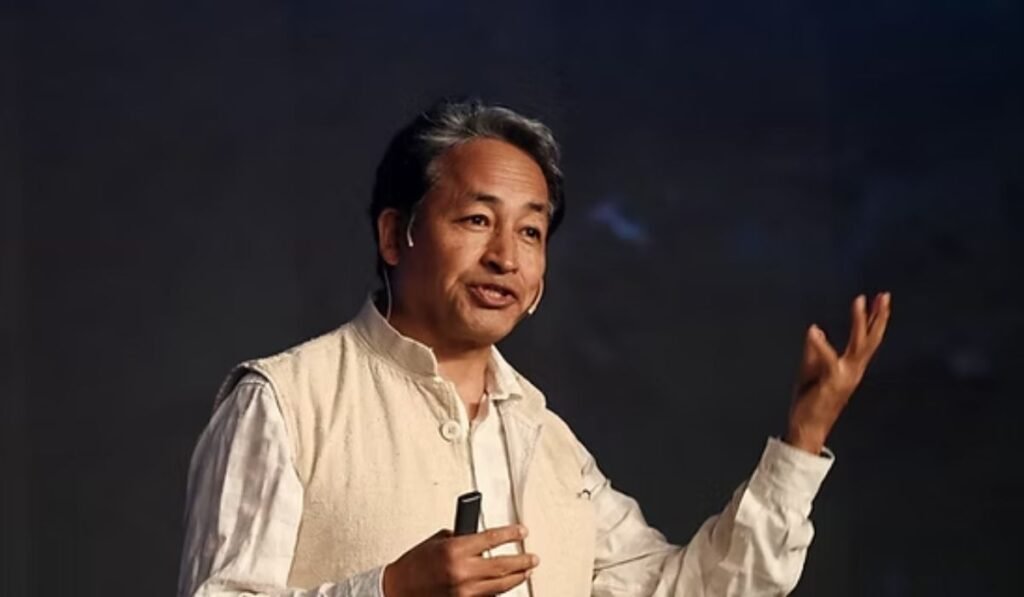
Many people first discovered Sonam Wangchuk because of his revolutionary work improving schools in Ladakh. Later, his famous Artificial glacier invention, widely known as the Sonam Wangchuk ice stupa, demonstrated how simple engineering could solve serious water shortages. These achievements earned him international respect and made him a leading voice in Environmental innovation, Water conservation, and High-altitude innovation.
His popularity increased even more after his peaceful campaigns supporting Government reforms, National education policy, and fair Examination reforms. The worldwide media also covered the Sonam Wangchuk hunger strike, which highlighted concerns about education and public accountability. Because of these efforts, Sonam Wangchuk latest news frequently appears in global publications covering education, climate policy, and social movements.
Early Life and Education
Growing up in the small Himalayan village of Uleytokpo shaped Sonam Wangchuk education and his view of the world. There was no formal school nearby during his childhood, so his mother became his first teacher. Those early lessons taught him curiosity, patience, and independent thinking. Moving later to Srinagar exposed him to language barriers and an education system that often overlooked children from remote regions. These experiences eventually inspired his lifelong commitment to improving the Ladakh education system and expanding access to Rural education.
After completing school, Sonam Wangchuk mechanical engineer earned his engineering degree from the National Institute of Technology Srinagar. Rather than choosing a high-paying corporate career, he returned home because he believed meaningful progress begins where challenges are greatest. His education gave him technical knowledge, while his childhood struggles gave him empathy. Together, they shaped the leader who would later transform the Students’ Educational and Cultural Movement of Ladakh, promote Alternative education, and become one of India’s most influential champions of Educational innovation.
Career Journey and Founding of SECMOL
After graduating in 1987, Sonam Wangchuk chose a different path from many young engineers. Instead of pursuing a corporate career, he returned to Ladakh to improve local schools. He believed education should prepare students for real life instead of memorizing textbooks. This vision marked the beginning of the Sonam Wangchuk SECMOL story. Working with local volunteers, he launched the Students’ Educational and Cultural Movement of Ladakh, an organization dedicated to fixing the Ladakh education system through practical learning and community participation.
SECMOL quickly became a model of Alternative education and Innovation in education. The organization introduced classroom methods that respected local language, culture, and traditions. Students learned science, farming, communication, and leadership alongside academic subjects. This fresh approach reduced school failure rates and encouraged confidence among young learners. Today, the SECMOL campus is recognized worldwide as an Eco-friendly school that promotes Self-reliance, creativity, and lifelong learning.
The Vision Behind SECMOL
The heart of SECMOL lies in one simple belief: every child deserves an education that connects with everyday life. Instead of copying urban teaching methods, the organization designed lessons around local challenges. Students solve real problems, build useful projects, and learn by doing rather than simply listening. This philosophy has influenced schools across India and inspired educators in many countries.
The campus itself reflects these values. Buildings use local materials and consume very little energy. Solar panels provide electricity, while students help manage daily activities. This living classroom demonstrates how education can combine knowledge with responsibility. It also encourages Sustainable development, Green technology, and Community development, making learning meaningful beyond textbooks.
Operation New Hope
One of Wangchuk’s most successful achievements was launching Sonam Wangchuk Operation New Hope. The program united teachers, parents, government officials, and community leaders to improve school quality throughout Ladakh. Rather than blaming students for poor results, the initiative examined teaching methods, curriculum, and school management.
The program transformed public education across the region. Better teacher training, practical lessons, and stronger community involvement significantly improved student performance. Today, many education experts consider Operation New Hope an outstanding example of successful Public policy, Government reforms, and Educational innovation working together to create lasting change.
Ice Stupas and Environmental Innovation
As climate change reduced natural water supplies across the Himalayas, Sonam Wangchuk searched for a practical solution. His answer became the world-famous Sonam Wangchuk ice stupa, a cone-shaped Artificial glacier that stores winter water and slowly releases it during spring. This remarkable invention helps farmers irrigate crops when water is scarce. It also demonstrates how simple ideas can solve complex environmental challenges without expensive technology.
The success of the Ice Stupa project attracted worldwide attention. Scientists, engineers, and environmental organizations praised the design because it combines traditional knowledge with modern engineering. The project strengthened Wangchuk’s reputation as both a Sonam Wangchuk inventor and a leader in Climate change solutions. It also highlighted the importance of protecting fragile mountain environments through innovation rather than overuse of natural resources.
How Ice Stupas Work
During winter, water from mountain streams is directed through pipes and sprayed into freezing air. The water gradually forms a tall cone of ice that remains frozen for months. When temperatures rise, the structure melts slowly, providing valuable irrigation water exactly when crops need it most. This clever process conserves Glacial meltwater and supports Cold desert farming in one of the world’s harshest landscapes.
Unlike large dams, Ice Stupas require limited infrastructure and have a much smaller environmental footprint. They improve Water conservation, increase Climate resilience, and help farming communities adapt to changing weather patterns. Many researchers now study the technology as an example of effective Himalayan innovation with global potential.
Beyond Ice Stupas
Wangchuk’s environmental work extends far beyond frozen water towers. Through the Himalayan Institute of Alternatives Ladakh, often called Sonam Wangchuk HIAL, he promotes research into Renewable energy, Sustainable architecture, and technologies designed for mountain communities. The institute encourages students to develop practical inventions that improve daily life while protecting nature.
One notable achievement involved creating portable shelters using clean energy for soldiers stationed in high-altitude areas. These projects demonstrate how engineering can solve humanitarian and environmental problems at the same time. By combining science, local wisdom, and creativity, Wangchuk continues to inspire future innovators who believe progress and sustainability should always move forward together.
Awards and Major Achievements
Sonam Wangchuk has earned global respect because his ideas produce real results instead of remaining theoretical. His work has improved schools, supported farmers, and inspired young innovators worldwide. Every major recognition reflects years of dedication rather than a single invention. Today, Sonam Wangchuk awards represent excellence in education, engineering, sustainability, and public service. His success also shows how local solutions can solve global problems when they focus on people instead of profits.
Unlike many innovators who work inside laboratories, Wangchuk develops ideas directly with local communities. His projects combine science, culture, and environmental responsibility. That practical approach has influenced governments, universities, and nonprofit organizations around the world. His achievements continue to encourage future engineers, educators, and environmental leaders who want to create lasting social change.
International Recognition for Excellence
The Ramon Magsaysay Award, often called Asia’s Nobel Prize, honored Wangchuk for transforming education in Ladakh through practical learning and community participation. The award recognized his lifelong commitment to Educational innovation, Social reform, and improving opportunities for children living in remote mountain regions.
Earlier, he received the Rolex Award for Enterprise for creating the revolutionary Ice Stupa project. This invention demonstrated how simple engineering could provide reliable water during dry seasons. Environmental experts praised the project because it strengthened Climate resilience, promoted Water conservation, and introduced affordable Climate change solutions for mountain communities facing shrinking glaciers.
Major Awards Table
| Award | Year | Reason for Recognition |
|---|---|---|
| Rolex Award for Enterprise | 2016 | Development of the Ice Stupa project |
| Ramon Magsaysay Award | 2018 | Leadership in Education reform in India |
| Global Recognition | Various | Contributions to Environmental innovation and sustainable education |
| International Innovation Honors | Various | Work in Green technology and community-based engineering |
Lasting Contributions Beyond Awards
Awards tell only part of Wangchuk’s story. His greatest achievement is changing how people think about education and development. Thousands of students have graduated from programs influenced by his ideas. Many have become teachers, entrepreneurs, engineers, and community leaders who continue serving Ladakh.
His influence also extends to universities, climate conferences, and international organizations. Experts frequently study his work because it combines scientific thinking with local traditions. This balance between innovation and cultural respect has become one of his greatest strengths and continues to inspire meaningful progress across the Himalayan region.
Social and Political Activism
Beyond education and engineering, Sonam Wangchuk activist has become a respected public voice for environmental protection and democratic participation. His activism focuses on peaceful dialogue rather than confrontation. He believes communities should work with governments whenever possible to solve problems through discussion and mutual understanding. This philosophy has made him one of India’s best-known advocates for responsible civic engagement.
Over time, his work expanded from schools to broader public issues affecting Ladakh. He began speaking about environmental conservation, constitutional protections, and sustainable development. Through peaceful campaigns, public discussions, and awareness programs, he encouraged citizens to participate in decisions affecting their future. His calm leadership has attracted support from students, teachers, environmentalists, and ordinary citizens alike.
Protecting Ladakh’s Future
After Ladakh became a separate Union Territory in 2019, Wangchuk welcomed new opportunities for development. However, he also expressed concern about protecting local culture, natural resources, and traditional lifestyles. He argued that rapid development should never damage fragile ecosystems or reduce opportunities for local people.
For this reason, he strongly supported Sonam Wangchuk Sixth Schedule protections. The proposed Sixth Schedule demand seeks stronger Constitutional safeguards for Indigenous communities, Tribal rights, local land ownership, and natural resources. Wangchuk believes these protections would help preserve the unique identity of Ladakh while allowing sustainable economic growth.
Climate Activism and Public Awareness
As a respected Sonam Wangchuk climate activist, he frequently warns that Himalayan glaciers are melting faster because of global warming. Since millions of people depend on these mountains for water, he argues that protecting the region is an international responsibility rather than only an Indian issue.
His campaigns encourage governments, scientists, and citizens to support Renewable energy, reduce pollution, and invest in Sustainable development. Through lectures, documentaries, and public events, he continues promoting Ladakh ecosystem conservation, Green technology, and responsible environmental policies that benefit both present and future generations.
Case Study: A Community-Led Model for Change
One of Wangchuk’s greatest successes is proving that local communities can solve major problems when they work together. Instead of waiting for outside organizations, villages in Ladakh participated directly in education reforms, water conservation projects, and environmental programs. This community-first approach created stronger local ownership and better long-term results.
Today, universities and development experts often study this model because it demonstrates how Grassroots leadership, Community development, and practical innovation can transform society. Wangchuk’s journey reminds us that lasting change begins with ordinary people who believe extraordinary things are possible.
26-Day Hunger Strike for Education Reforms
The Sonam Wangchuk hunger strike became one of the most widely discussed public movements in India during 2026. Unlike many protests driven by anger, Wangchuk chose a peaceful fast to draw attention to concerns about the country’s education system. His action reflected his long-standing belief that meaningful reform begins with honest dialogue rather than conflict. As the days passed, the Hunger strike protest gained national and international attention, making Sonam Wangchuk latest news a frequent headline across newspapers, television channels, and digital media.
Students, teachers, parents, and civil society groups closely followed the fast because they believed it represented more than one individual’s protest. The movement raised wider questions about fairness, transparency, and accountability within public education. Through his calm approach, Wangchuk encouraged people to think beyond politics and focus on creating opportunities that would benefit future generations.
Why Did Sonam Wangchuk Begin the Hunger Strike?
The protest focused on concerns about Education reform in India and the need for greater transparency in College entrance exams and Examination reforms. Wangchuk also renewed his appeal for stronger protection of Ladakh’s constitutional rights. He argued that students deserve equal opportunities regardless of where they live and that education should reward talent instead of privilege.
His demands also included continued discussion about Ladakh autonomy, stronger Public policy, and meaningful Government reforms affecting both education and regional development. By combining these issues, Wangchuk hoped to encourage long-term solutions rather than temporary political promises.
Public Response and Nationwide Support
As news of the fast spread, thousands of supporters gathered peacefully in different cities. Many students organized awareness campaigns while teachers, education experts, and environmental organizations expressed solidarity. The movement soon became one of the country’s most recognized Student protests, bringing together people from different backgrounds who shared a common desire for educational improvement.
Large gatherings were held near Delhi’s Jantar Mantar protest site, where supporters carried banners promoting peaceful dialogue and educational fairness. The New Delhi protest remained largely peaceful despite occasional tensions between demonstrators and police. Throughout the campaign, Wangchuk repeatedly appealed for calm and reminded supporters that lasting reform should never come through violence.
Government Response and Outcome
As the hunger strike continued, government representatives held discussions with Wangchuk and other stakeholders. Medical teams regularly monitored his health because fasting for nearly a month placed considerable strain on his body. National media closely followed every development while citizens waited to see whether meaningful negotiations would take place.
After twenty-six days, Wangchuk agreed to end his fast following public assurances that several concerns would receive parliamentary attention. Although many policy discussions continued afterward, the movement successfully renewed public debate about education, governance, and regional development. The protest demonstrated how peaceful civic action can influence national conversations without resorting to aggression.
Allegations and Action Against Sonam Wangchuk
Like many influential public figures, Sonam Wangchuk controversy has attracted significant public attention. Over the years, several allegations related to funding, land use, and administrative procedures involving organizations connected to him have been investigated by government authorities. Wangchuk has consistently maintained that his organizations have operated with transparency and that their work has always focused on education, sustainability, and community welfare.
Public discussion around these investigations often became highly polarized. Supporters viewed the inquiries as unnecessary pressure on social institutions, while government agencies stated that regulatory compliance must apply equally to every organization. Because investigations remained legal matters, many observers stressed the importance of allowing official processes to reach evidence-based conclusions before drawing judgments.
FCRA-Related Investigations
One of the most widely reported issues involved Sonam Wangchuk FCRA compliance. Authorities examined whether foreign contributions received by organizations linked to Wangchuk followed the requirements of India’s Foreign Contribution Regulation Act. The investigations included financial documentation, funding records, and administrative procedures connected with nonprofit activities.
Representatives of Wangchuk’s organizations responded by stating that they had cooperated with government agencies and provided explanations regarding financial transactions. They argued that donations supported educational research, environmental programs, and community projects rather than political activities. The matter generated widespread public discussion because it involved one of India’s best-known social innovators.
Land and Institutional Issues
Government authorities also reviewed land allocated to institutions associated with Wangchuk, including projects connected with educational development. Officials questioned whether certain land parcels had been used according to approved agreements. Wangchuk rejected accusations of wrongdoing and stated that every project aimed to strengthen local education, environmental research, and sustainable community development.
These administrative disputes also affected public discussion surrounding the Himalayan Institute of Alternatives Ladakh. Despite legal and regulatory challenges, the institution continued promoting research in Renewable energy, Sustainable architecture, and High-altitude innovation while encouraging young innovators to create practical solutions for mountain communities.
Balanced Perspective
Public figures who challenge existing systems often face both praise and criticism. Wangchuk’s supporters emphasize his decades of work in education, environmental conservation, and rural development. Critics argue that organizations with national influence should remain fully accountable under existing laws. Both viewpoints continue to shape public debate.
At the same time, Wangchuk’s broader legacy extends beyond legal discussions. His contributions to Climate change solutions, Educational innovation, Community development, and peaceful civic participation continue to receive recognition from educators, engineers, and environmental experts around the world. Regardless of differing opinions, his work has undeniably influenced conversations about education, sustainability, and responsible leadership in modern India.
Personal Life of Sonam Wangchuk
Behind the public image of an engineer, innovator, and activist, Sonam Wangchuk family has played an important role in shaping his values and vision. He was born into a Ladakhi family where education, public service, and community responsibility were deeply respected. His father, Sonam Wangyal, was a politician who worked for the welfare of Ladakhi people, while his mother, Tsering Wangmo, became his first teacher during his early childhood years.
The experiences from his childhood strongly influenced his future. Growing up in a remote Himalayan region helped him understand the challenges faced by rural communities. These early struggles later became the foundation for his work in education, environmental protection, and social development. His life story shows how personal experiences can transform into powerful ideas that benefit society.
Sonam Wangchuk Wife and Family
Sonam Wangchuk wife, Gitanjali J. Angmo, has been an important partner in his professional and personal journey. She is an educator and social entrepreneur who shares his passion for sustainable development and community-focused solutions. Together, they have supported several educational and environmental initiatives, including projects connected with the Sonam Wangchuk HIAL vision.
Their partnership reflects a shared commitment to creating practical solutions for Himalayan communities. While Wangchuk focuses heavily on engineering, education, and public campaigns, Gitanjali has contributed through educational leadership and institutional development. Their combined efforts have helped strengthen projects related to Sustainable education, Climate resilience, and community empowerment.
Lifestyle and Personal Philosophy
Unlike many public figures, Wangchuk is known for living a simple lifestyle focused on purpose rather than luxury. His daily choices reflect his belief in sustainability and responsible living. He promotes reducing waste, using renewable resources, and designing systems that work with nature instead of against it.
Many people search for Sonam Wangchuk net worth, but his public identity is not built around wealth. His reputation comes from ideas, inventions, and social contributions. Rather than focusing on financial success, he emphasizes knowledge, creativity, and service. His lifestyle represents the values behind his environmental work and educational philosophy.
Read More: Travis Kelce Retirement: Latest Updates, NFL Future, Career Legacy, and What Comes Next
Conclusion: The Lasting Legacy of Sonam Wangchuk
Sonam Wangchuk represents a rare combination of engineering knowledge, social responsibility, and environmental awareness. His journey from a small Ladakhi village to international recognition shows how powerful ideas can emerge from challenging circumstances.
Through SECMOL, Ice Stupas, and public campaigns, he has demonstrated that education and innovation can change communities. His approach connects traditional wisdom with modern science, creating solutions that are practical and sustainable.
Whether people know him as an educator, Sonam Wangchuk activist, or climate leader, his impact remains significant. His story continues to inspire students, engineers, and environmental thinkers who believe that real progress begins with creativity, compassion, and action.
Frequently Asked Questions (FAQs)
Who Is Sonam Wangchuk?
Sonam Wangchuk is an Indian engineer, innovator, and activist from Ladakh known for improving education, developing environmental solutions, and supporting social causes. He founded SECMOL and created the famous Ice Stupa technology to address water shortages in mountain regions.
His work combines science, education, and community participation. Because of his achievements, he is widely recognized as an educator, Sonam Wangchuk inventor, and environmental leader.
Why Is Sonam Wangchuk Famous?
Sonam Wangchuk became famous for transforming the Ladakh education system through SECMOL and creating innovative environmental projects. His Ice Stupa project gained international attention because it offered a creative solution for water conservation in cold desert areas.
He also became widely known because of his peaceful protests and campaigns related to education reforms, environmental protection, and regional development.
What Is SECMOL?
SECMOL stands for Students’ Educational and Cultural Movement of Ladakh. It is an organization founded by Wangchuk to improve education for students in Ladakh. The organization focuses on practical learning, local culture, leadership skills, and problem-solving.
The SECMOL campus is famous for its environmentally friendly design. It uses solar energy and sustainable construction methods to create a unique learning environment.
What Are Ice Stupas?
Ice Stupas are artificial glaciers designed to store winter water and release it during warmer months. The technology was developed to help farmers facing water shortages in Ladakh.
The Sonam Wangchuk ice stupa became an example of Water conservation and Climate change solutions because it uses natural freezing conditions instead of complex machinery.
Why Did Sonam Wangchuk Go on a 26-Day Hunger Strike?
The Sonam Wangchuk hunger strike focused on education reforms, examination improvements, and discussions about Ladakh’s future. He used fasting as a peaceful method to draw attention to public concerns.
The movement highlighted issues connected with Examination reforms, student opportunities, and government accountability.
What Awards Has Sonam Wangchuk Won?
Sonam Wangchuk has received several international honors for his contributions to education and environmental innovation. Some major recognitions include the Ramon Magsaysay Award and Rolex Award for Enterprise.
These Sonam Wangchuk awards recognize his work in education reform, sustainability, and community-based innovation.
Is Sonam Wangchuk Connected to the Movie 3 Idiots?
Sonam Wangchuk is often linked with the character Phunsuk Wangdu from the Bollywood movie 3 Idiots. Many people believe the character was inspired by aspects of his personality and work.
However, the connection has been discussed differently by the filmmakers and Wangchuk himself. The character and Wangchuk share similarities, especially their focus on creative education and innovation.
What Is the Sonam Wangchuk Controversy?
The Sonam Wangchuk controversy involves government investigations and discussions related to organizations connected with him. Issues included questions about funding regulations, land use, and administrative matters.
Wangchuk and his supporters have stated that his organizations have always focused on education, sustainability, and community service.
What Is Sonam Wangchuk’s Educational Qualification?
Sonam Wangchuk studied mechanical engineering at the National Institute of Technology Srinagar. His engineering background helped him develop practical solutions for education and environmental challenges.
His technical knowledge later contributed to his success as a Sonam Wangchuk mechanical engineer and innovator.
What Is Sonam Wangchuk Doing Now?
Today, Sonam Wangchuk continues working on education, sustainability, and environmental innovation. Through organizations like SECMOL and HIAL, he supports young innovators and promotes solutions for Himalayan communities.
His ongoing efforts focus on Renewable energy, sustainable development, and creating better opportunities for future generations.